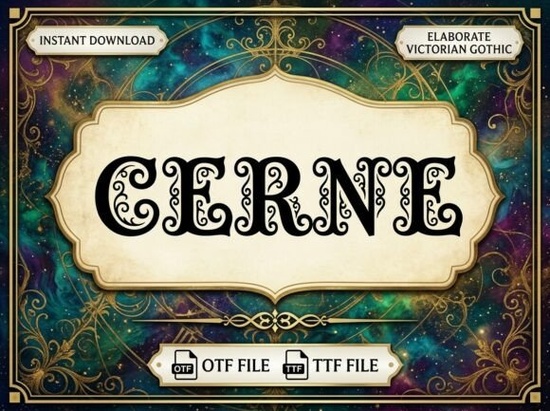
If you’ve been searching for a display font that feels like it stepped out of a 19th-century engraving, Cerne Font might be exactly what your project needs. It’s not just another pretty typeface it’s built with the kind of ornate detail that makes people pause and look closer. Think wrought-iron gates, velvet-bound books, and apothecary labels from a bygone era. If your work leans into heritage branding, vintage packaging, or dramatic editorial design, Cerne adds texture without needing extra graphics.
What sets Cerne apart is how every letter carries its own story. The serifs aren’t just decorative they’re shaped like twisting acanthus leaves, looping in and out of the character forms. This isn’t a font you slap onto a flyer and forget. It’s meant to be seen up close, appreciated for its craftsmanship. You’ll find it works especially well when used sparingly: think book covers, wine labels, boutique signage, or even embroidered patches where the detail can shine.
Who should actually use this font?
If you run a small business selling handmade goods, craft luxury candles, or design invitations for upscale events, Cerne gives your brand an instant sense of legacy. Print-on-demand sellers love it for mugs, tote bags, and wall art targeting customers who appreciate antique aesthetics. Designers working on historical fiction novels or theater posters also find it useful it doesn’t just say “old-fashioned,” it says “authentic.”
It pairs surprisingly well with minimalist layouts too. Try placing Cerne as a headline over clean sans-serif body text the contrast draws attention without overwhelming the viewer. And if you’re already using fonts like Jax or The Edmund for other projects, Cerne slots right in as your go-to for more ornamental moments.
How detailed is “detailed”?
Very. Each glyph is packed with filigree and scrollwork that holds up even at larger sizes. That means if you’re printing something like a poster or a banner, the curves and flourishes won’t blur together. But and this is important avoid shrinking it down too much. At small point sizes, those beautiful loops start competing with each other visually. Stick to headlines, logos, or short phrases where each letter has room to breathe.
You might also want to pair it with simpler companion fonts. Something like Charming Woman offers a softer contrast, while Wavy Stacker brings playful energy if you’re mixing tones. Even Learning Memories, though more casual, can balance Cerne’s formality when layered thoughtfully.
Any technical things I should know before downloading?
Cerne comes in standard OTF and TTF formats, so it works across most design software Adobe apps, Canva Pro, Affinity, Silhouette Studio, you name it. It includes uppercase, lowercase, numerals, punctuation, and basic ligatures. No alternates or swashes included, but honestly, it doesn’t need them. The base design is rich enough on its own.
One tip: because of all the internal negative space, test your background colors carefully. Light text on dark backgrounds? Make sure there’s enough contrast so the delicate inner lines don’t disappear. Same goes for embroidery digitizing some stitchers may need to simplify the paths slightly to keep the integrity of the shape.
Where does this fit compared to other Victorian-style fonts?
There are plenty of “gothic” or “vintage” fonts out there, but few carry the same level of architectural weight. Many lean cartoonish or overly distressed. Cerne avoids both traps. It feels grounded, almost structural like carved stone rather than faded ink. For reference, you can see how it compares to similar styles here: Cerne.
If you’ve tried fonts inspired by circus posters or haunted houses and found them too theatrical, Cerne offers elegance instead of exaggeration. It’s the difference between a crumbling mansion and a restored manor same era, different upkeep.
Quick checklist before you start:
- Use large sizes only under 24pt and details get muddy.
- Pair with clean, simple fonts let Cerne be the star.
- Avoid busy backgrounds solid colors or subtle textures work best.
- Test print or mockup first especially for physical products.
- Don’t overuse it one headline per layout is usually enough.
Start with a single word. A name. A tagline. See how it feels in context. Sometimes the right font doesn’t shout it whispers with authority.
Download Now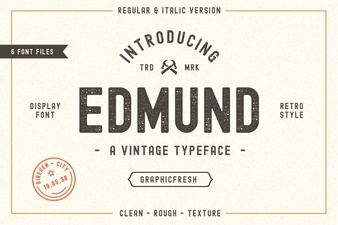 Discover Font Pairings with the Edmund Font
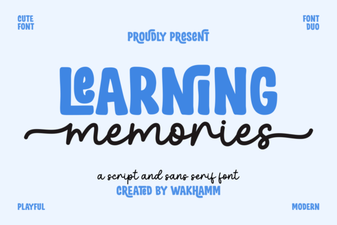 Creative Projects Using Learning Memories Font
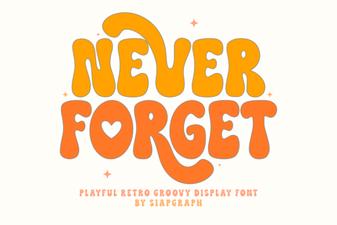 Crafting Projects with the Never Forget Font
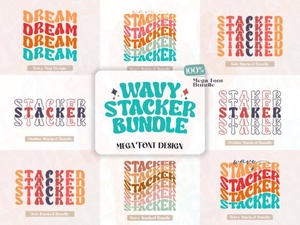 Wavy Stacker Fonts: Curves & Creativity
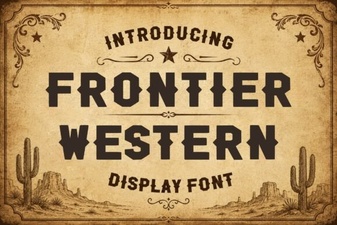 Crafting with Frontier Western Font Styles
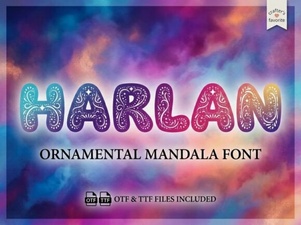 Harlan Font: Your Next Design Companion