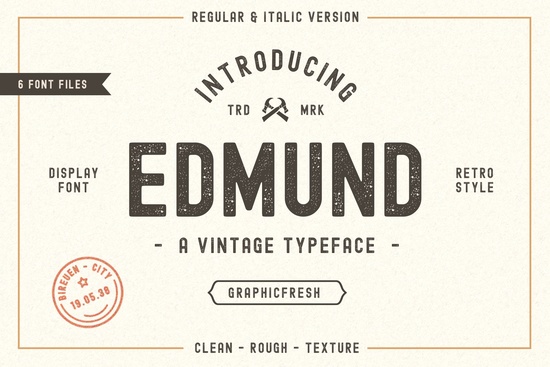
If you’ve been searching for a display font that brings warmth, character, and just the right amount of vintage charm to your projects, The Edmund Font is worth a closer look. Whether you’re designing posters, packaging, social media graphics, or print-on-demand products, this font adapts well without losing its personality. It’s not overly ornate or hard to read just stylish enough to stand out while staying versatile.
What makes The Edmund especially handy is how it performs in both large headlines and smaller body text. Many display fonts fall apart when scaled down, but this one holds up. That’s rare and useful if you’re juggling multiple design elements in one layout. You can pair it with something clean like Cerne for contrast, or let it shine solo on minimalist designs.
Who should use The Edmund Font?
If you run a small business and need eye-catching signage or product labels, this font adds instant appeal without looking generic. Crafters working on vinyl decals, sublimation prints, or hand-lettered-style merch will find it easy to customize. Print-on-demand sellers can use it across t-shirts, mugs, and tote bags it scales cleanly and doesn’t lose detail at different sizes.
Hobbyists who make birthday cards, wedding invites, or seasonal decor will appreciate how quickly The Edmund creates mood. It’s got that nostalgic, slightly retro vibe think 70s book covers or indie coffee shop branding but it doesn’t feel dated. Pair it with Sasha for a feminine touch, or Wavy Stacker if you want to layer textures and add dimension.
How many styles does it come in?
The Edmund isn’t just one weight or variation it includes several styles, so you’re not stuck with a single look. Need something bold for a poster headline? There’s an option for that. Want something lighter for captions or secondary text? Covered. This flexibility means you can build hierarchy within your design without switching typefaces.
You can also mix and match weights for layered effects drop shadows, outlines, or color fills work beautifully here. Try using the regular weight as your base, then overlaying a heavier version slightly offset for a DIY letterpress effect. Or reverse it: light text over a dark background with a thin stroke outline. These tricks work especially well for digital thumbnails or physical products where contrast matters.
What kinds of projects does it work best for?
- Branding – logos, labels, packaging for artisanal goods, cafes, boutiques
- Social media – quote graphics, story overlays, profile banners
- Printables – planners, calendars, wall art, greeting cards
- Merchandise – t-shirts, stickers, tote bags, enamel pins
- Weddings & events – invitations, menus, signage, favor tags
It’s also surprisingly readable at smaller sizes, which opens up more uses than most display fonts allow. Think product descriptions on Etsy listings, footer text on websites (if you’re going for a handcrafted aesthetic), or even short paragraphs in zines and lookbooks. For comparison, fonts like Rosie lean more decorative and are better suited for accents The Edmund gives you more functional range.
Where can I see examples or try it out?
You can preview how The Edmund looks in different contexts by checking out sample mockups on its official page. If you want to compare it visually with similar options, take a look at The Edmund Font directly on Creative Fabrica. They often include real-world usage images storefront signs, apparel mockups, social templates so you can gauge how it translates off-screen.
While you’re there, you might also browse Cerne, Sasha, Wavy Stacker, and Rosie. Each has its own flavor, and seeing them side-by-side helps you pick what fits your current project best.
Any tips before you download?
Before committing, think about your color palette and layout. The Edmund works beautifully with earth tones, muted pastels, and high-contrast black-and-white schemes. Avoid pairing it with other highly stylized fonts it’s meant to be the star. If you’re layering, stick to simple sans-serifs or handwritten scripts for balance.
Also, check licensing. Most Creative Fabrica fonts include commercial use, but always verify if you’re selling physical products or using it in client work. The Edmund’s license typically covers POD platforms like Redbubble, Etsy, and Amazon Merch just don’t redistribute the font file itself.
Quick checklist before you start:
- ✅ Decide if you need bold, regular, or multiple weights
- ✅ Test readability at your intended size (especially for body text)
- ✅ Pick a complementary font for contrast (try The Edmund + a clean sans-serif)
- ✅ Confirm your license covers your intended use case
- ✅ Save a backup fonts disappear from marketplaces sometimes
Start small maybe a quote graphic or a product label and see how it feels in your workflow. You might find it becomes your go-to for projects that need personality without chaos.
Try It Free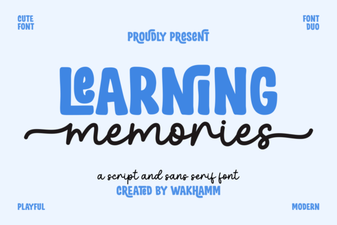 Creative Projects Using Learning Memories Font
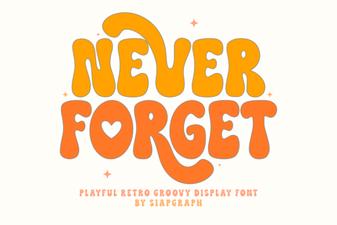 Crafting Projects with the Never Forget Font
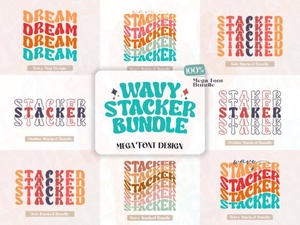 Wavy Stacker Fonts: Curves & Creativity
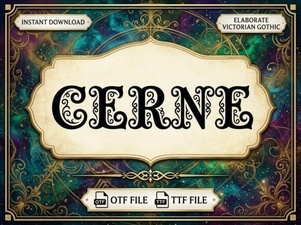 Cerne Font: Modern Design & Creative Applications
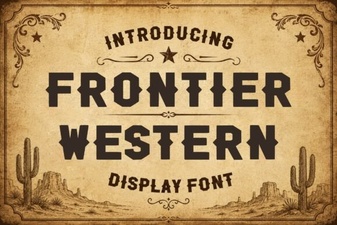 Crafting with Frontier Western Font Styles
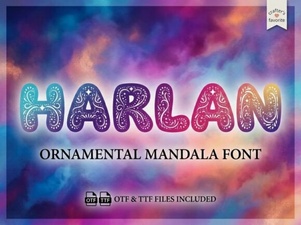 Harlan Font: Your Next Design Companion