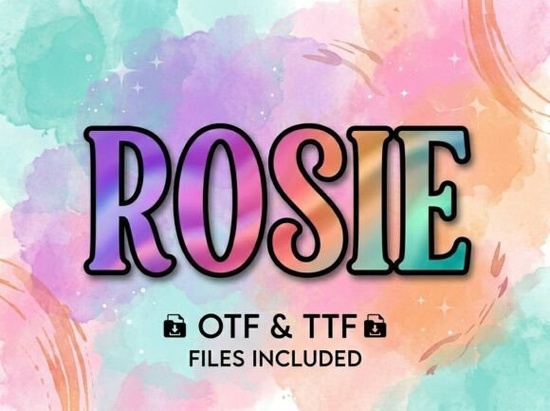
If you’ve been scrolling through display fonts and landed on Rosie Font, you’re probably looking for something that doesn’t play by the usual rules. This one’s built for creators who want their text to feel more like art than just letters think streetwear logos, bold posters, or merch that needs to stop people mid-scroll. It’s not your everyday script or serif; it’s sharp, stylized, and unapologetically uppercase.
What makes Rosie stand out is how it balances visual weight with artistic flair. The strokes are thick where they need to be, tapering in unexpected places, giving each letter a hand-crafted edge. That’s why it works so well for apparel graphics or branding projects that lean into alternative, urban, or indie aesthetics. If your design feels too safe, Rosie might be the nudge you need to make it pop.
Who should actually use this font?
This isn’t a font for body copy or long paragraphs. Rosie was designed for impact headlines, logos, packaging, or anything meant to be seen from across the room. If you’re running a print-on-demand shop selling hoodies or tote bags, this font can give your mockups an instant attitude boost. Small business owners launching a new product line? Use it on your launch poster or social media banners. Hobbyists making zines or gig flyers? Perfect. Just keep in mind: it’s all caps. No lowercase letters included. That’s not a bug it’s intentional. Rosie thrives when used as a statement piece.
You’ll get two file types when you download: OTF for pros who need advanced typographic control (like ligatures or stylistic sets if supported), and TTF for plug-and-play compatibility with Canva, Silhouette Studio, Cricut Design Space, or even PowerPoint. Whether you’re deep into Adobe Illustrator or just starting out with basic design tools, you’re covered.
How does it compare to other display fonts?
If you’ve tried Cerne or Holland, you know those fonts have their own personalities Cerne leans geometric, Holland feels retro-modern. Rosie sits in its own lane. It’s less about clean lines and more about controlled chaos. For something similarly bold but slightly softer, check out Sasha. Or if you want another angular option with more versatility, Jax offers both uppercase and lowercase, which Rosie doesn’t.
That said, don’t pick Rosie because you need flexibility. Pick it because you want drama. Because your client’s band name needs to look like it’s carved into concrete. Because your Etsy sticker shop needs that “I saw this and had to buy it” energy.
What kind of projects work best with Rosie?
- Apparel & Merch: Hoodies, tees, hats anywhere you want the text to feel like part of the design, not just slapped on top.
- Posters & Flyers: Music events, street art shows, underground markets big surfaces where the font can breathe.
- Social Media Graphics: Instagram carousels or TikTok thumbnails that need to grab attention fast.
- Branding Elements: Logos, wordmarks, or packaging labels for brands with an edgy, youthful, or rebellious vibe.
One thing to watch: spacing. Because of its decorative nature, some letter pairs might need manual kerning depending on your layout. Don’t just type and walk away take a minute to adjust if something feels off. Most design apps let you tweak letter spacing easily.
Where can I see more examples or buy it?
You can preview and grab Rosie Font directly from Creative Fabrica. They often bundle it with other display fonts or include it in their subscription deals, which is great if you’re stocking up for multiple projects. If you’re already subscribed, it’s likely included at no extra cost.
Pro tip: Pair it with a clean, minimalist sans-serif for contrast. Let Rosie do the shouting while your secondary font handles the whispering. Think Helvetica, Montserrat, or even Arial if you’re keeping it simple.
Before you hit download, ask yourself:
- Is my project meant to be bold and eye-catching?
- Am I okay with using only uppercase letters?
- Do I have space to let the font’s details shine (not crammed into a tiny logo)?
- Will my audience connect with an alternative, non-traditional aesthetic?
If you answered yes to most of these, Rosie’s probably a good fit. If not, maybe browse other display fonts that match your project’s tone a little closer.
Next step: Open your current design file. Try replacing your headline font with Rosie (even as a test). Does it change the mood? Does it feel more alive? If yes go for it. If not, no harm done. Fonts are tools, not commitments.
Learn More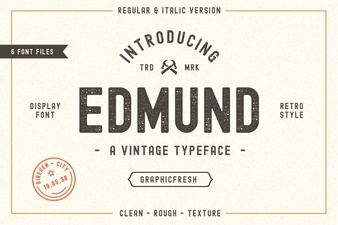 Discover Font Pairings with the Edmund Font
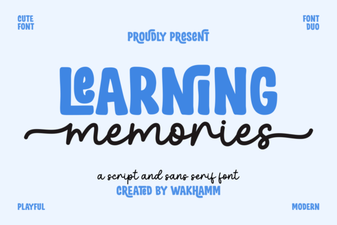 Creative Projects Using Learning Memories Font
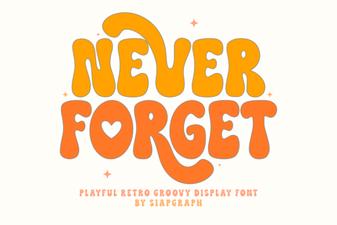 Crafting Projects with the Never Forget Font
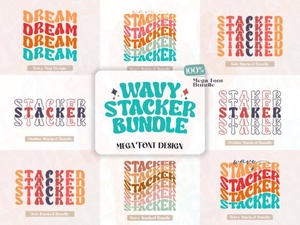 Wavy Stacker Fonts: Curves & Creativity
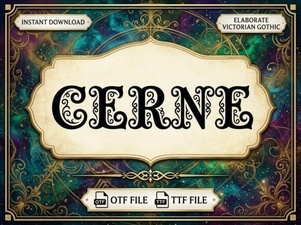 Cerne Font: Modern Design & Creative Applications
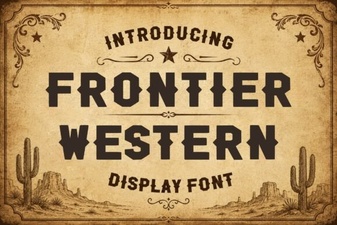 Crafting with Frontier Western Font Styles